Stun guns are popular in Arizona because they are used as less-lethal self-defense weapons. These guns deliver an electric shock to incapacitate an attacker temporarily. Stun guns are legal under Arizona law for civilian ownership. You also do not need a license or permit to carry a stun gun. People aged 18 and older can possess them, but certain restrictions apply to prohibited individuals and sensitive areas such as schools or government buildings. The legal use of stun guns is restricted to reasonable self-defense. You are required to apply proportional force to the threat to avoid criminal liability.
Qualifications For Selling Stun Guns In Arizona
People are allowed to sell stun guns in Arizona, but the business is subject to specific regulations, particularly for certain types of devices, rather than being broadly highly regulated. There are specific statutory requirements, particularly for certain types of stun guns. This business is regulated under Arizona Revised Statutes (A.R.S.) section 13-3117 and related provisions. The following are the key requirements and legal considerations for sellers:
Product Compliance Requirements
According to Arizona law, weapons being sold must meet technical requirements, especially for remote stun guns. The gun must have a tracking system, like coded material or microdots, allowing the gun to be traced back to the buyer. It must also have serial numbers or identification markings and should not exceed 100,000 volts and nine joules per pulse. The above features are meant to enhance accountability and help the police in investigations in case of a violation.
No License Requirement For Sellers
Unlike firearms, a dealer license for stun guns is not a requirement at the state level. The law allows a retailer to sell stun guns as part of general merchandise. In-person and online sales are permitted, provided the seller meets the legal requirements. Sellers must adhere to general business statutes, like consumer protection regulations and tax registration.
Prohibited Buyers And Age Restrictions
Sellers must ensure adherence to basic eligibility rules even if they are not required to carry out full background checks on buyers. The law allows only individuals aged 18 years or older to buy stun guns. It is an offense to intentionally sell stun guns to prohibited buyers, like convicted felons or people restricted by court order. A seller will be exposed to legal liability if he/she sells stun guns to prohibited individuals.
Mandatory Record-Keeping Requirements
Sales documentation is one of the most crucial duties for sellers. According to the law, a seller must record a buyer’s details and link them with the manufacturer. The seller must keep proper sales records for every transaction involving a remote stun gun. He/she must also verify the identity of the buyer using government-issued identification. A seller risks facing criminal penalties for failure to maintain accurate records, even if the sale was legal. This requirement applies to commercial sellers, not secondary private or casual sales.
General Legality Of Selling Stun Guns
Arizona is regarded as a permissive state when it comes to stun guns. It has no standard rules guiding the licensing of stun gun sellers. People and businesses can sell them without securing a special weapons license. However, under the law, there is a difference between remote stun guns or Tasers and standard stun guns. Strict rules are imposed on remote stun guns and are heavily regulated.
Differences Between Stun Guns And Tasers
Stun guns and tasers are different weapons, even if people use the terms interchangeably. They significantly differ in design, uses, and degree of effectiveness. However, these weapons are both categorized as electroshock weapons. They use electrical current to interfere with your attacker’s muscle control, but the manner in which they release that current is what makes them different.
A stun gun is a handheld weapon that needs physical contact with the target. It will release a high-voltage and low-amperage shock when pressed against an attacker. A stun gun is designed to inflict pain. It affects the sensory system, making it hard for the attacker to continue aggressive behavior. However, it can be less effective in cases where keeping distance is vital because it depends on close contact. These guns are often compact, relatively cheap, and they are popular for self-defense.
Also known as ‘’Thomas A. Swift’s Electric Rifle’’, a Taser gun is a more advanced weapon, which can incapacitate your attacker from a distance. It fires two small barbed darts attached to wires that release electrical pulses to the attacker’s body. The pulses affect the neuromuscular system, causing loss of voluntary muscle control temporarily. This is commonly referred to as neuromuscular incapacitation. Unlike stun guns that inflict pain, Tasers can physically immobilize your target, even if he/she has a high pain tolerance or is under the influence of drugs.
Another major distinction lies in range. Stun guns require zero distance; they must touch your target to work. On the other hand, tasers are effective from several meters away, based on the model, giving you a secure buffer zone. Most tasers also have a ‘’drive-stun’’ mode that enables them to be used like conventional stun guns if needed. However, this prevents them from inflicting pain, instead leaving your attacker fully incapacitated.
Another key difference between stun guns and tasers is effectiveness. A stun gun can stop your attacker, but its success depends on the proximity and the response of the attacker to pain. On the other hand, a taser is more reliable in disabling your attacker because it overrides the body’s muscle control system instead of causing discomfort.
From a practical and legal perspective, tasers are more heavily regulated than stun guns because of their range and effectiveness. The police often use tasers as a less-lethal option to firearms. On the other hand, stun guns are more readily available to citizens.
The Disciplinary Actions A Seller Of Stun Guns Can Face For Failing To Meet The Requirements
The law in Arizona concentrates heavily on compliance with statutory requirements when it comes to selling stun guns, particularly remote stun guns, like Tasers. A seller can face a range of disciplinary and legal repercussions under Arizona Revised Statutes 13-3117.
Misdemeanor Liability for Record-Keeping Violations
One of the duties of a stun gun seller is to maintain accurate sales records. A seller must verify the identity of the purchaser using government-issued ID and keep records of the transaction. It will be considered a regulatory violation if a seller fails to do this. This crime is often charged as a misdemeanor. If a seller is guilty of the offense, he/she could face a fine or possible administrative sanctions, like warnings or compliance orders. Repeated violations can escalate enforcement attention, even if it is the least severe punishment.
Misdemeanor Charges For Negligent or Improper Sales
Sometimes, the seller’s violation can be selling stun guns to minors below 18 years, selling without verifying identity, and ignoring common legal restrictions. These violations are considered misdemeanors. The possible penalties the seller could face are higher fines, probation, and a criminal record. These charges reflect disregard for legal obligations or negligence, not just clerical mistakes.
Felony Charges For Severe Crimes
A seller could face felony charges in more serious situations, particularly where the crime contributes to injury or criminal activity. This includes supplying guns used in criminal acts, engaging in unlawful distribution or trafficking, and intentionally selling to prohibited individuals, like convicted felons. These violations can attract a felony conviction, hefty fines, a jail term, and a permanent record. Additionally, a seller could face enhanced penalties if a stun gun is later used to commit an offense. This will happen, especially if a seller intentionally contributed to the unlawful use of a stun gun.
Criminal Liability Related To Misuse Of A Stun Gun
A seller could also be implicated, even if this applies to users. Sellers can face charges for encouraging illegal use of a gun and overlooked legal restrictions on use or buyers. For example, a seller could face misdemeanor or felony assault charges if a stun gun is used in an assault. A seller could face aiding and abetting charges for knowingly facilitating such misuse.
Enhanced Penalties In Certain Cases
Certain situations can enhance legal repercussions. This includes the use of a stun gun during the commission of another offense. The seller could face additional or aggravated charges if a stun gun is used against a police officer.
Civil And Business Repercussions
A seller will face the following beyond criminal penalties:
-
Possible restrictions on future sales activities
-
Loss of business reputation
-
Civil lawsuits if someone suffers injuries because of negligence
The Penalties A Stun Gun User Can Face For Violating The Law
If you use a stun gun in violation of the law, the consequences will be severe. The penalties you will face depend on the circumstances of the incident and whether someone suffered injuries.
Criminal Charges
It is often considered a criminal offense if you illegally use a stun gun. You will face the charges if you use the gun to threaten, intimidate, or harm other people without lawful justification. The use of a weapon in the commission of a crime and possession of a prohibited weapon in areas where stun guns are restricted will also attract charges. You can also face battery, assault, or aggravated assault charges if you unlawfully use a stun gun. The judge can convict you of a felony if the victim suffers serious injury. This crime can attract severe penalties.
A Jail Term or Imprisonment
You can face the following penalties depending on the severity of the crime:
-
A short jail term if you are charged with a misdemeanor
-
A prolonged imprisonment if you are charged with a felony
You will face a harsher sentence if you are a repeat offender or have a prior criminal record.
Fines
You will face fines if you are convicted of illegal stun gun use. The fines range from small amounts for minor offenses to substantial amounts if the crime is severe. Additionally, the court will order the defendant to pay restitution to the victim for medical expenses, property damage, and lost income.
Probation And Community Service
The court can impose probation instead of or in addition to a jail term. The following conditions often accompany probation:
-
Enrolling on anger management or behavioral counseling programs
-
Completing community service hours
-
Avoiding other crimes, and
-
Regular reporting to a probation officer
You will face additional penalties, including imprisonment, if you violate probation conditions.
Confiscation Of Your Stun Gun
The police can seize your stun gun if it is involved in the violation. In most situations, you can also be barred from possessing or owning similar weapons in the future.
Civil Liability
The victim can file a civil lawsuit in addition to criminal penalties. You will be required to pay damages for medical bills and rehabilitation costs, emotional stress, and physical injuries. This can impose a significant financial burden on you even after criminal penalties are settled.
Enhanced Penalties
In some situations, you will face additional penalties if:
-
The act violated specific protective orders, like restraining orders
-
You were under the influence of alcohol or drugs
-
The stun gun was used during another offense, such as robbery
-
The victim was a vulnerable person, such as a disabled individual, an elderly person, or a child
Impact On Criminal Record And Future Opportunities
A conviction can trigger a permanent criminal record that can affect employment opportunities, travel, housing, and education. It can also limit your right to possess weapons in the future.
Administrative, School, or Workplace Discipline
You could also face disciplinary measures if the incident happens in a school or workplace setting. Some of the punishments you could face include expulsion, suspension, or termination, separate from legal repercussions.
You can present the following defenses if you are accused of unlawful use of a stun gun:
-
You are a victim of mistaken identity
-
You are a victim of an illegal search and seizure
-
You had no intent
-
You use a stun gun to protect someone else from danger
-
You used a stun gun for self-defense
Find A Criminal Defense Attorney Near Me
Although stun guns are legal in Arizona, restrictions can apply to who can possess them and the possession of stun guns in restricted areas. If you violate stun gun laws, you can face several penalties, including jail time, fines, and gun confiscation, among others. You should contact an attorney if you are accused of violating stun gun laws. An attorney will assess the charges against you and help you create a reasonable defense against your charges.
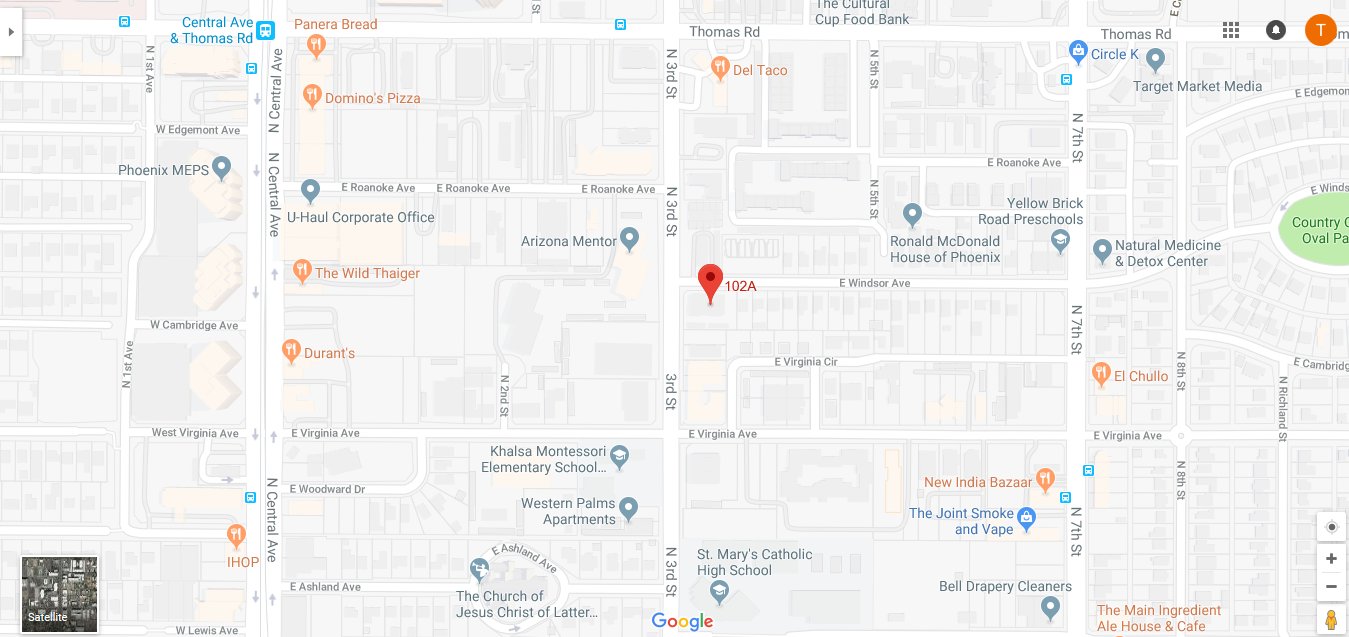
For legal counsel and representation that you can count on, contact the Phoenix Criminal Attorney. Call us today at 602-551-8092 to speak to one of our attorneys.