A warrant is a legal document that authorizes law enforcement to take a specific action, such as conducting a search or making an arrest. If you believe the court has issued a warrant against you, you should act promptly and carefully to find whether you have one. Ignoring it can lead to severe legal consequences, while acting proactively with experienced legal assistance can help resolve the matter discreetly.
How Courts Issue Different Types of Warrants
Understanding where your warrant originated and the various types of warrants in Arizona is the initial step in finding it.
Court systems in Arizona are tiered, and the level of court that can issue a warrant depends on the crime. It includes the following:
-
Municipal courts—They handle city ordinance breaches and misdemeanors that happen within a given city's limits, including traffic crimes and shoplifting
-
Justice courts —The courts have authority over certain townships or precincts and handle misdemeanor traffic and criminal cases, restraining orders, and small claims. They can also handle preliminary hearings for felonies.
-
Superior court—They are Arizona's trial courts. Superior courts issue felony warrants. Felonies, including severe criminal charges such as drug trafficking, robbery, and aggravated assault, are filed here.
Generally, the court that issues the warrant is in the county where the crime happened. If you are uncertain of the jurisdiction, consult a lawyer.
Different Forms of Warrants
Here are some of the common forms of warrants:
Arrest Warrant
An arrest warrant authorizes the police to arrest and detain you if they believe you violated a law outside their presence.
A court issues an arrest warrant based on any of the following:
-
A district attorney or police officers with a probable cause declaration that you broke the law. Probable cause is the reasonable doubt that a crime took place.
-
The judge might issue an arrest warrant after a grand jury indicts you by finding probable cause to think you violated the law.
After the police receive your arrest warrant, they should execute it. Otherwise, they risk facing contempt of court criminal charges.
Please note that the arrest warrant remains effective until the police arrest you or you appear before the court to address your warrant. Only a judicial officer of the jurisdiction from which the warrant stemmed can cancel it. A prosecutor can request that the court grant the warrant, but cannot remove or quash it.
Search Warrant
A judge issues a search warrant. The rationale for the judge issuing the search warrant rather than the prosecution team is to ensure that a neutral, detached person reviews the facts of the criminal investigation.
The judge issues the warrant if they reasonably believe you committed a crime and that the police will find evidence of the crime in the space(s).
While the 4th Amendment to the U.S. Constitution safeguards you from illegal search and seizure, there are exemptions to the search warrant that permit law enforcement officials to perform a legal search without acquiring a valid search warrant.
If you think the police conducted an unreasonable search, your defense lawyer can file a motion to suppress and exclude the evidence obtained from the trial.
Bench Warrant
A bench warrant requires the police to detain you in their custody until they can bring you before the court to answer for defying your court order. Once in court, the court can place you in detention or release you with a warning.
Typically, courts issue the warrant after you have violated your probation or failed to attend your scheduled court proceeding.
Your outstanding bench warrant will not expire. It will remain effective until you die.
Extradition Warrant
A state issues an extraction warrant ordering the arrest of a fugitive. A fugitive is an individual who commits an offense in one state and then leaves the state. If the police arrest you in that jurisdiction, they will extradite you to the state where you will face criminal proceedings.
You can Search Your Court Records Online
The best place to begin your search process is with the Arizona Judicial Branch public access case search. The search lets you search by specific courts, your name, and your birthday. You can also search using your case number. The search will show your warrant details and criminal case details.
The public access case search has access to records from about 177 of Arizona's 184 courts. Here are some of these courts:
-
Tempe Munipa
-
Paradise Valley Municipal
-
Messa Municipa
-
Justice of Peace Courts in Maricopa County
-
Gilbert Municipal in Maricopa County
-
Chandler Municipal in Maricopa County
If your search returns empty, you might have an outstanding warrant. Sometimes the search gives incomplete results, sometimes the Arizona Judicial Branch has not updated its records to reflect active warrants, or your name is misspelled.
Contact the Department of Public Safety (DPS)
You can contact the Department of Public Safety and the agency will search for outstanding warrant(s) over the telephone. The DPS will require your name and birthday to perform the search.
If you believe you have an outstanding felony warrant in Maricopa County, you can contact the Criminal Court Administration Information Desk. The court will perform a free search. It will require you to provide your birthday and name to perform the search.
You Can Search Police Records Online
You can visit your nearby law enforcement authority's official website.
While there are many public records searches online, it is advisable to use websites for a specific police department, justice court, or superior court.
You should also avoid contacting the police and requesting them to perform your warrant search. They can locate you and elicit self-incriminating statements from you.
Work with an Experienced Defense Attorney
If you have an existing warrant, it is wise to consult a seasoned defense attorney. Legal counsel can conduct a comprehensive search and attempt to have your warrant recalled.
One method to resolve your arrest or bench warrant is to turn yourself in to the police (self-surrender). Then the police officers will arrest you. Typically, judges treat people who self-surrender more leniently than those apprehended under a warrant outside. You are more likely to receive favorable bail conditions for your pretrial release.
You can also challenge your warrant and quash it without being arrested. Your defense lawyer should review the facts of your case and advise you accordingly. Quashing your warrant requires your legal counsel to travel to the court on your behalf. If you attempt to quash the warrant on your own, you risk being arrested.
Judges issue bench warrants when a person fails to attend a scheduled court proceeding. If you failed to attend your court proceeding due to a valid reason, your defense lawyer can bring a Motion to Quash your warrant. The court will schedule a hearing. During the hearing, your attorney should explain what transpired. If the court believes your failure to appear was excusable or justified, it will withdraw your warrant.
Quashing an arrest warrant requires proving that it is invalid. An arrest warrant is invalid if any of the following is true:
-
It does not sufficiently name you
-
The magistrate or judge had not signed it
-
It does not indicate the alleged criminal charge
-
Probable cause does not support it
It is rare to quash a search warrant. Typically, suspects do not know of its existence until law enforcers execute it. However, you can fight the search warrant by bringing a motion to suppress any incriminating evidence the police found during the search. You can fight the warrant by arguing that:
-
Your search warrant was invalid
-
Law enforcers violated your right against unlawful search and seizure per the 4th Amendment to the United States Constitution.
-
The police breached the scope of your search warrant
You Can Perform a Background Check on Yourself
A background check is when a person or company obtains information about your history, including collecting details about your criminal record and outstanding warrants. You can conduct the background check yourself or retain a third party.
The subject of criminal records in Arizona may analyze the details in the records to verify their completeness and accuracy. To start the process, contact the Central State Repository Section at 602-223-2000, select Records and Reports, then Statewide Criminal Records.
Your Record Review Packet will contain the following
-
Instructions
-
A blank applicant's fingerprint card
-
Contact Information Sheet
-
Preaddressed return envelope
The agency will mail you a response and a copy of your existing criminal record details within fifteen days of receipt of your completed record review packet. Please note that the response will not have your address or identity.
How to Self-Surrender in Maricopa County
As previously mentioned, it is wise to hire an attorney after discovering you have an existing warrant. The lawyer will confirm the warrant and take the appropriate steps to resolve it.
Here are different self-surrender options in Maricopa County:
-
If the court issues the warrant due to a probation violation, you should call the Probation Violation court
-
If the Superior Court issued your warrant, call the Criminal Department Information Desk and request the phone number of the department that issued your warrant.
-
If you should report to the Maricopa County Sheriff's Office to serve a sentence, do so with the relevant paperwork.
Things to Do and Avoid After Discovering You Have an Outstanding Warrant
The steps you take after discovering your outstanding warrant can make a difference between facing more legal consequences and resolving the matter effectively.
Do not Ignore the Warrant
Your outstanding warrant is a serious issue that will not go away on its own. Ignoring it can result in your unexpected arrest, severe penalties, and paying higher fines. However, taking the appropriate steps can help you regain control of your situation.
If there is a warrant against you, do not wait to be taken by surprise. A seasoned lawyer can verify your warrant, stand with you throughout the legal process, and assist you in resolving the case effectively and safely.
Do not Flee
Trying to evade the police or fleeing the jurisdiction can result in additional criminal charges and severe penalties, depending on your case.
Do not involve Your loved Ones in Hiding You
Helping a person to avoid arrest can also lead to legal repercussions for them.
Avoid Making Statements to the Law Enforcers
The 4th Amendment to the United States Constitution gives you the right to remain silent and avoid self-incrimination. Do not tell anyone in the jail, including other suspects and the police, anything. Whatever you say could be used against you in court.
You should invoke your right if the police try to interrogate you. Keeping quiet does not invoke your right. Instead, you should tell the police that you want to invoke your entitlement to remain silent or want to speak to your defense lawyer first. If the interrogating officer continues to ask you questions, whatever evidence they gather thereafter is inadmissible in court.
Also, be cautious about what you say when using a phone at the jail, police station, or holding cell, as your conversation could be recorded.
Contact a Reliable Bail Bondsman
After calling your attorney, contact a seasoned bail bondsman to arrange a bail bond, if that is an option. Bail is the amount you post with the court to secure your pretrial release. By contacting the bail bonds company before your arrest, you can reduce your detention time and promptly return to your daily routine.
Trying to Handle the Case on Your Own in Court
Even if you are well-spoken and smart, avoid self-representation. The court will not give you a pass because you appeared in court, and the prosecution team will not be easy on you because you are polite. Instead, you should retain an aggressive attorney who can handle the case with the seriousness it deserves.
Find a Competent Attorney Near Me
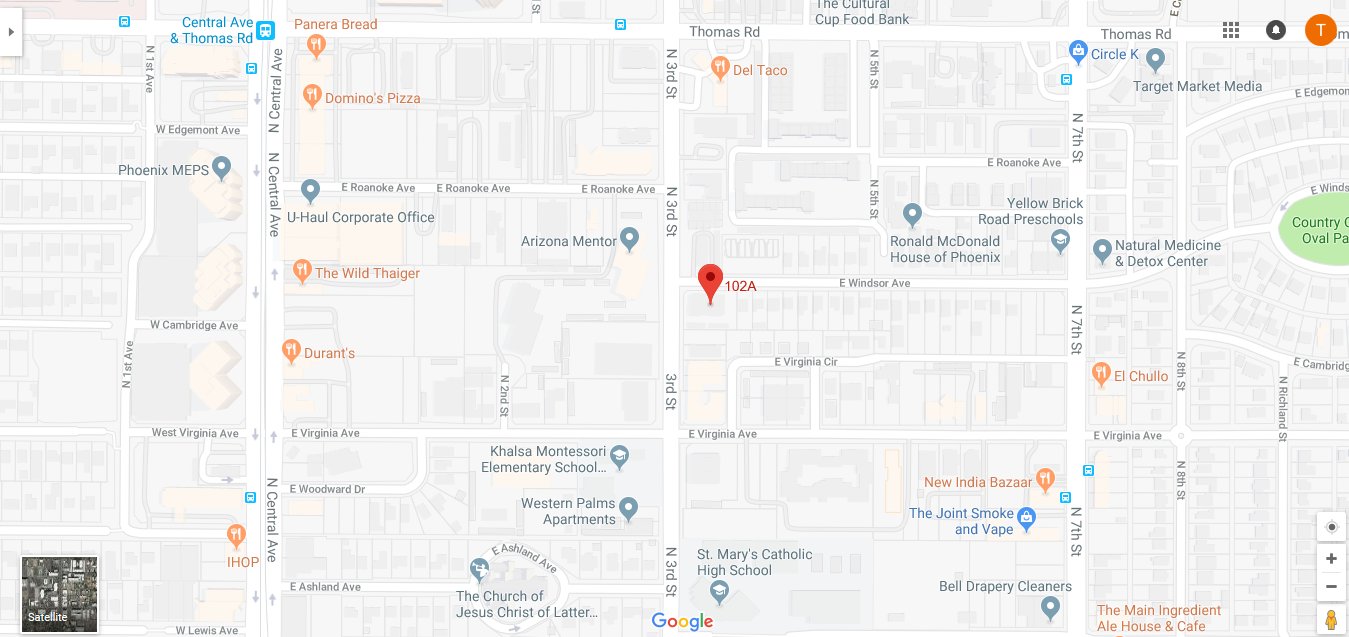
While it can be devastating to discover that you have an active warrant, you should not panic. Instead, you should avoid contacting the law enforcers or attempt to resolve the case on your own. Phoenix Criminal Attorney can help you confirm whether you have an outstanding warrant, contact the court on your behalf, discuss the available options, such as self-surrendering, and develop the most effective defense strategy based on the underlying criminal charges. Please call us at 602-551-8092 to learn how we can help you.